Skip to content
Bubbler Reality Labs

IndustriesBlue tech and defense

Blue tech, defense, and government

Training for work that happens at sea, under it, and in places you can’t easily bring a class.

Rhode Island’s ocean economy runs on shipyards, undersea technology, offshore wind, and the Navy. We build simulations for that work: ROV missions, marine welding, shipboard systems, and the emergency procedures crews need to know cold.

For defense contractors, shipyards, ocean technology companies, government agencies, and marine training programs.

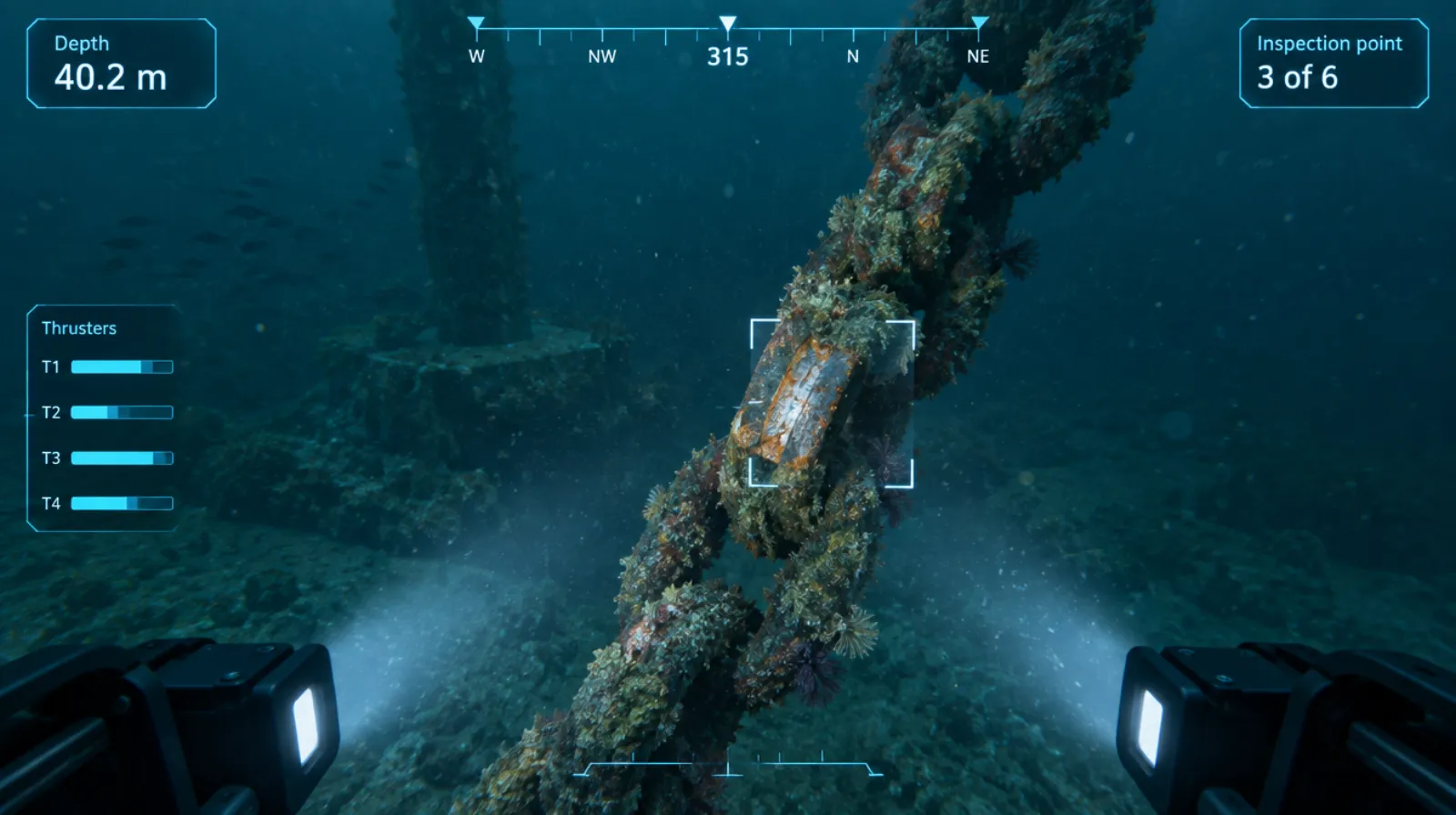
In-headset view of the ROV inspection missions module

In the headset: ROV inspection missions

Training today

  • The workplace is hard to reach

    You can’t take a new hire inside a hull section, onto a turbine, or to the seafloor for a practice run.

  • The pipeline is short of people

    Shipyards and ocean tech companies need more trained workers than local programs produce, and many students have never seen the work.

  • Procedures have to be exact

    Emergency and equipment procedures need to be practiced the same way every time, and documented.

With VR practice

  • Bring the workplace to the classroom

    Hulls, turbines, and the seafloor become places a new hire can walk through on day one.

  • Show students the work

    The same simulations run as career exploration, so the pipeline sees what the jobs are.

  • Exact, repeatable, documented

    Every run follows the same procedure and leaves a record for your training files.

This is for

  • Training leads at shipyards and defense contractors
  • Ocean technology and offshore wind operators
  • Government agency training offices
  • Marine trades programs and universities

More scenarios

From the shipyard to the agency.

Defense contractors and shipyards

Trades, technicians, new hires

Practice procedures and spaces that are hard to access during construction or maintenance.

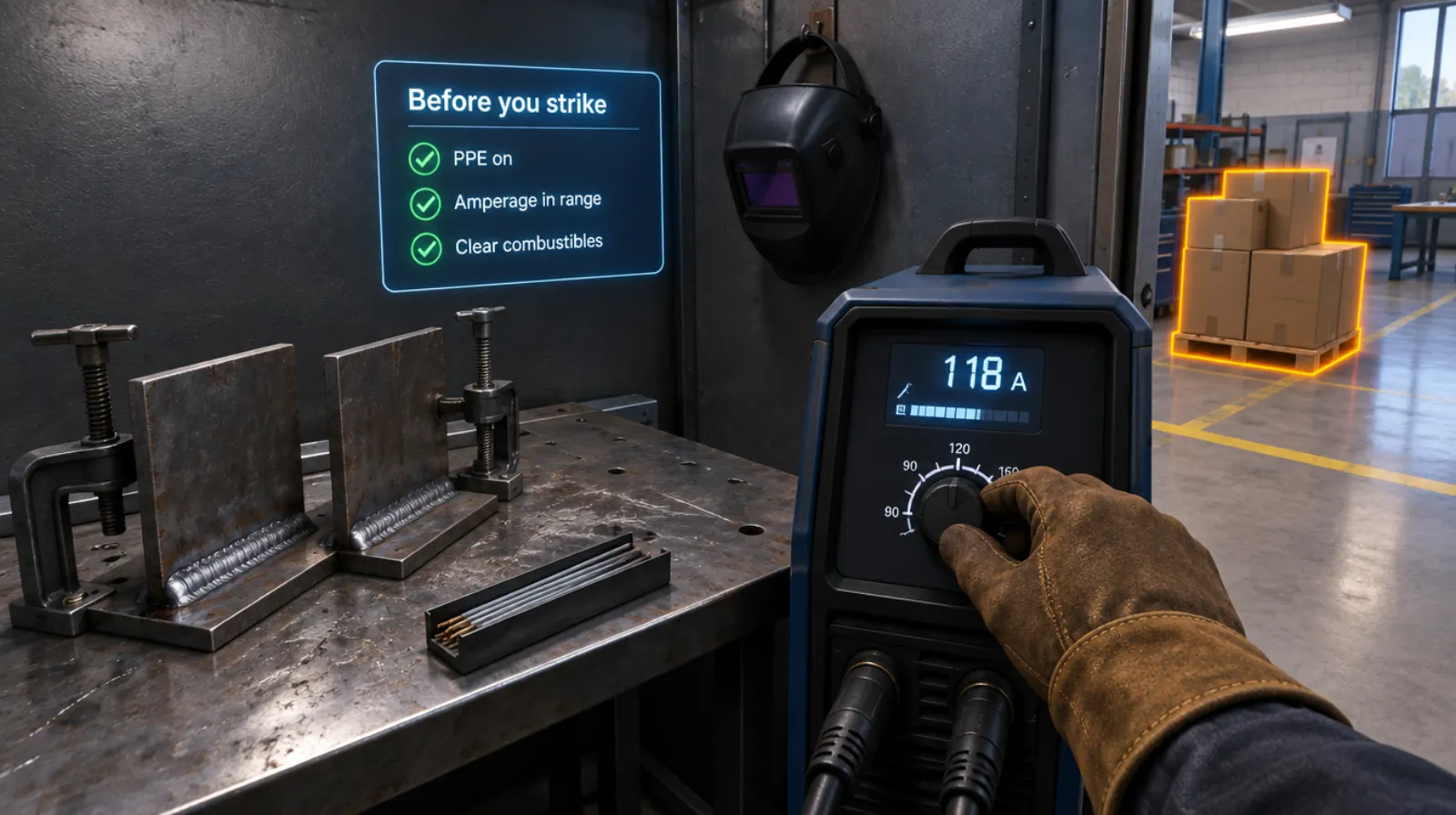
  • Marine welding setup and inspection
  • Auxiliary system walkthroughs and checks
  • Confined space and hot work procedures
  • Damage control and emergency response drills

Ocean technology and offshore wind

ROV pilots, technicians, field crews

Rehearse missions and maintenance before going offshore.

  • ROV piloting and inspection missions
  • Mission planning and equipment configuration
  • Offshore wind farm layout and maintenance access

Government and the workforce pipeline

Agencies, workforce boards, schools

Train public employees on procedures and show students the careers the region is hiring for.

  • Agency procedures and emergency readiness
  • Equipment operations and logistics
  • Blue economy career exploration for students

A scenario, step by step

An ROV inspection of a mooring line

A pilot is sent to inspect a mooring chain at 40 meters in reduced visibility and a crosscurrent.

  1. Pre-dive

    Check the vehicle, tether, and lights, and confirm the mission plan with the supervisor.

  2. Descend and navigate

    Hold position against the current while following the line down.

  3. Inspect

    Find and document wear or damage at each point on the checklist.

  4. Recover and report

    Bring the vehicle back safely and report what was found.

Afterward: The supervisor sees the pre-dive checks, how well the pilot held position, what was documented, and what was missed.

Analytics and reports

From one person in a headset to your whole program.

Every action, decision, and word in a module is captured, analyzed against your standard, and reported in the Bubbler Hub. Supervisors see it at five levels.

  1. 01

    Live view

    Watch what the learner sees in the headset from a laptop or tablet, with the current task, step, and progress. The video stream isn’t stored; the session record is.

  2. 02

    Session record

    Every step taken or missed, in order and timed, plus the decisions the learner made and what they said.

  3. 03

    Learner history

    Every attempt for each person, so you can see what improved and what still needs another run.

  4. 04

    Program dashboard

    Completion across the group, the steps most people miss, and who needs another attempt or a conversation.

  5. 05

    Reports and exports

    Dated completion reports for each person, as PDF or data files, for training files, audits, and accreditation.

What is recorded on a mission or procedure.

Checks
Pre-start and safety checks, in order, with anything skipped.
Control
Vehicle or equipment handling, such as holding position or staying within limits.
Findings
What the learner found and documented compared with what was there.
Communication
Reports and callouts, and whether they included what the next person needed.
Completion
Dated completion for each person and procedure, for training and qualification files.

ROV pilot onboarding

Sample team, fictional data

Sample
Pilots enrolled
12
2 crews
Ready for supervised dive
8
4 still practicing
Average attempts
3.4
per mission
Vessel days used
0
practice ran in VR

Most-missed steps, share of the group

  • Documented every inspection point42%
  • Checked tether before descent25%
  • Held position in the current21%
  • Reported findings to the supervisor10%
PersonScenarioAttemptsNext step
C. AlmeidaCompleteMooring inspection4Supervised dive
G. HarrisPracticingMooring inspection2Inspection checklist
V. PiresCompletePre-dive checks1None
O. GrantNot startedHull survey0Assign this week
Sample program view. Names and numbers are made up to show the layout.

Questions

Before you book a call.

We build from unclassified material. If your program involves controlled or classified information, we’ll talk through the requirements before scoping. Simulation practice doesn’t replace required qualifications or live drills.

ROV missions, marine welding, a shipboard auxiliary cooling system, offshore wind, and sailing are available as experiences or Sim Lab activities today. Custom work is scoped around your procedures.

Bring the work to the people you need to train.

Tell us the procedure, the vehicle, or the space. We’ll scope a simulation and the records you need from it.

VR trainingBook a call