Skip to content
Bubbler Reality Labs

IndustriesSkilled trades

Skilled trades and construction

More repetitions before the booth, the panel, or the jobsite.

Apprentices and students practice setup, safety checks, and the order of work in VR, then spend supervised shop and site time on the parts that need it.

For contractors, unions and apprenticeship programs, CTE schools, and community colleges.

Footage from a Bubbler excavator simulation.

Training today

  • Shop time and materials run out

    Rods, wire, pipe, and fuel are used up on every practice run, and a shop only has so many booths.

  • Instructors can’t watch everyone

    With fifteen students and one instructor, most mistakes in setup happen when nobody is looking.

  • Jobsite hazards can’t be staged

    Trench collapse, a live circuit, or a swing radius are things you want people to recognize before they see them for real.

With VR practice

  • Repetitions without materials

    Setup and sequence practice uses no rods, wire, pipe, or fuel.

  • Every attempt is logged

    Instructors see each student's checks and settings without standing behind every booth.

  • Hazards people have seen before

    Learners recognize the trench, the live circuit, and the swing radius because they have met them in VR.

This is for

  • Apprenticeship and training directors
  • CTE and community college instructors
  • Contractors and safety directors
  • Pre-apprenticeship and workforce programs

More scenarios

Practice across the trades.

Contractors and unions

Apprentices, new hires, foremen

Consistent practice on safety and setup, so apprentices arrive on site knowing the sequence.

  • Welding setup, PPE, and fire watch
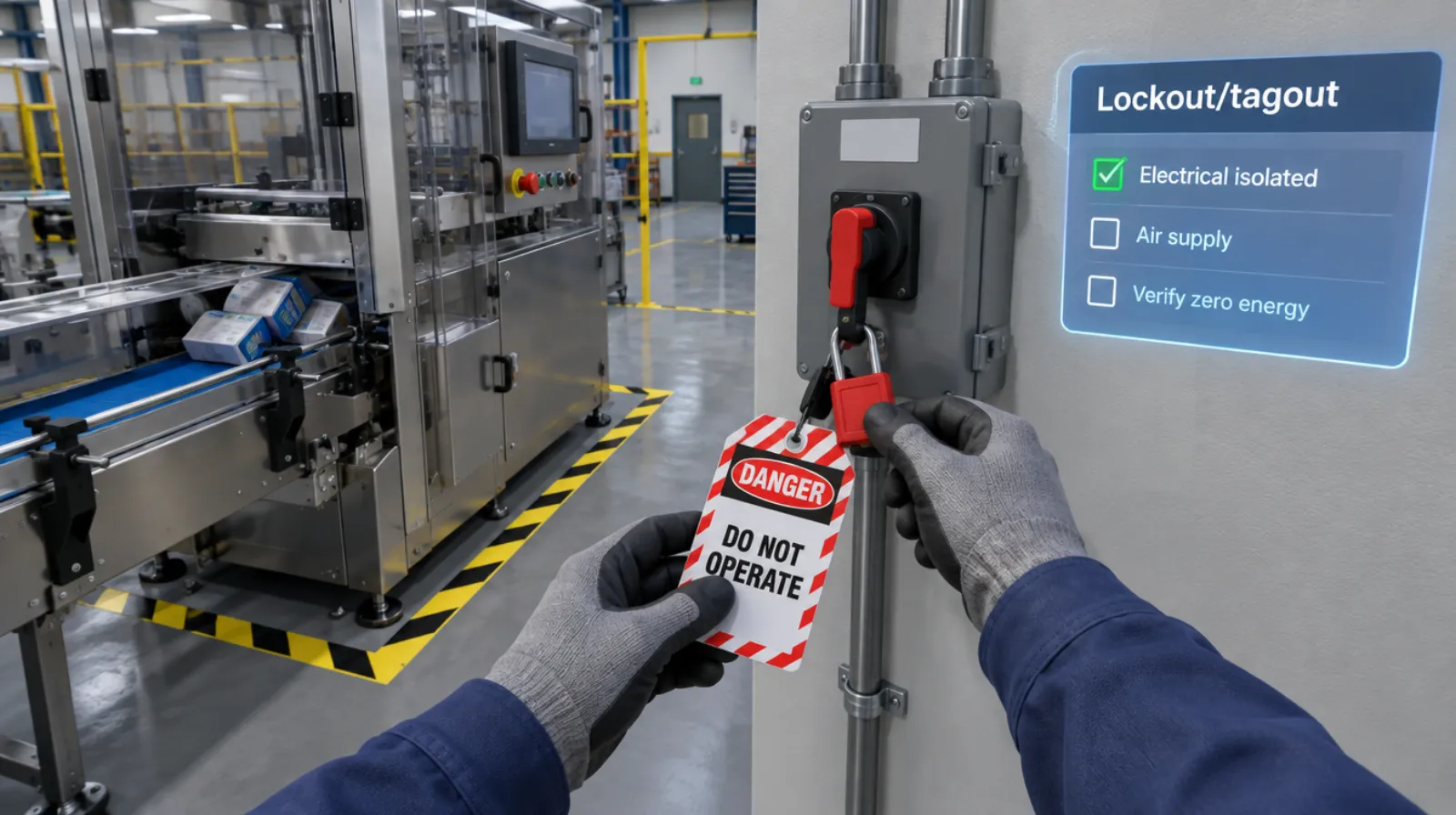
  • Lockout and safe work on an electrical panel
  • Excavator walk-around and operation
  • Trench and fall hazard recognition

CTE schools and colleges

Welding, electrical, HVAC, plumbing, and carpentry programs

Students repeat the setup and the sequence before using materials and booth time.

  • Wiring a protected circuit
  • HVAC airflow and service
  • Plumbing flow and drainage
  • Framing loads and bracing

Workforce programs

Pre-apprenticeship and career programs

Let people try a trade before committing to a program, and arrive at day one with the basics.

  • Try several trades in one session
  • Tool and safety familiarization
  • Guided reflection on which trade fits

A scenario, step by step

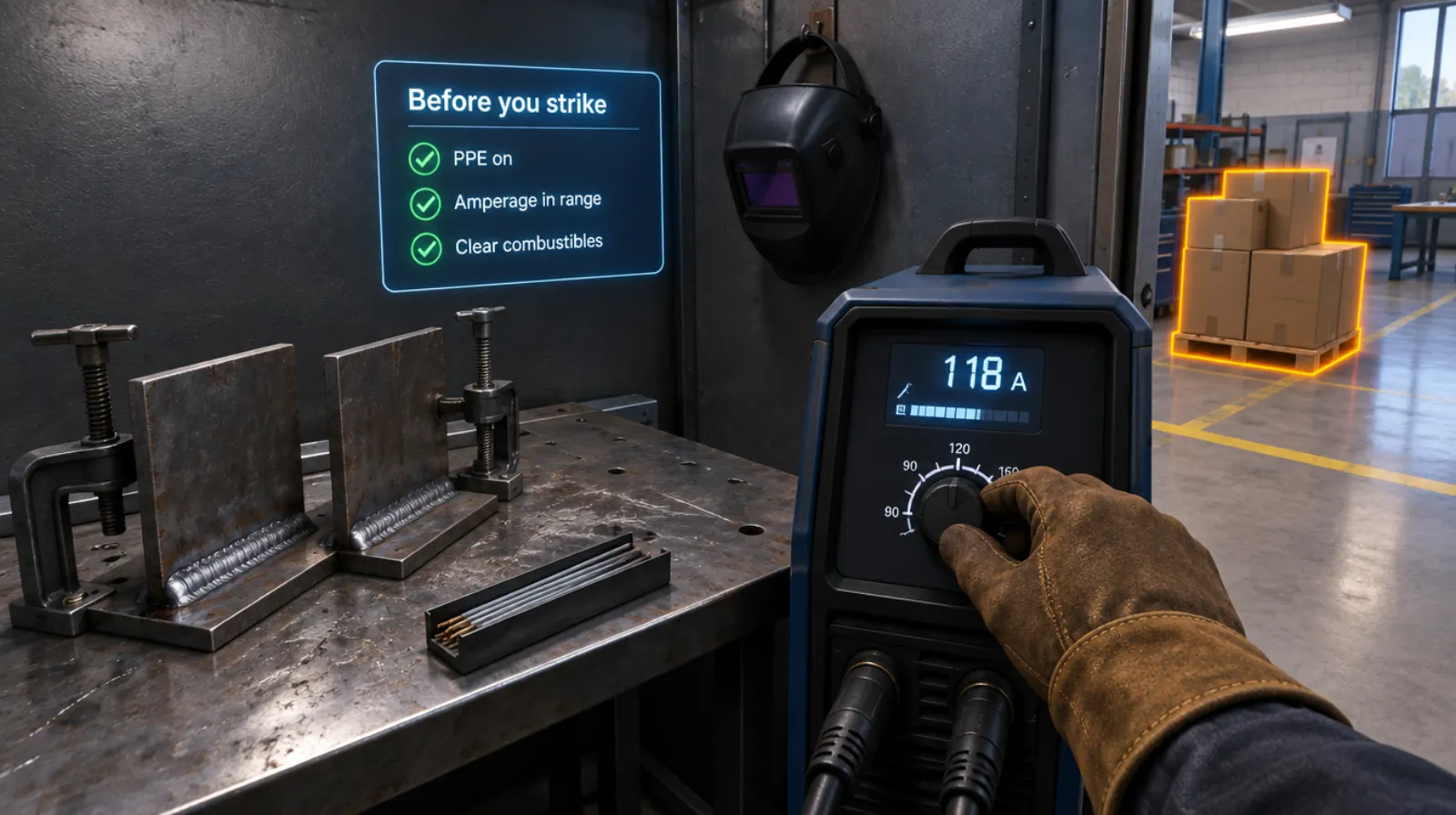
Setting up for a vertical fillet weld

An apprentice is assigned a 3F fillet weld in a shop with cardboard stored near the booth.

  1. PPE

    Hood, gloves, jacket, and safety glasses on before anything is switched on.

  2. Machine setup

    Set amperage inside the procedure range for the rod and position.

  3. Clear the area

    Move combustibles out of range and post a fire watch.

  4. Weld and hand off

    Complete the weld, then report anything wrong with the equipment to the next person.

Afterward: The instructor sees each safety check, the settings used, and whether the problem with the equipment was reported.

Analytics and reports

From one person in a headset to your whole program.

Every action, decision, and word in a module is captured, analyzed against your standard, and reported in the Bubbler Hub. Supervisors see it at five levels.

  1. 01

    Live view

    Watch what the learner sees in the headset from a laptop or tablet, with the current task, step, and progress. The video stream isn’t stored; the session record is.

  2. 02

    Session record

    Every step taken or missed, in order and timed, plus the decisions the learner made and what they said.

  3. 03

    Learner history

    Every attempt for each person, so you can see what improved and what still needs another run.

  4. 04

    Program dashboard

    Completion across the group, the steps most people miss, and who needs another attempt or a conversation.

  5. 05

    Reports and exports

    Dated completion reports for each person, as PDF or data files, for training files, audits, and accreditation.

What is recorded in a trade scenario.

Safety checks
PPE, area clearance, lockout, and other checks, and whether they came before the work started.
Settings
Machine and tool settings chosen, compared with the procedure range.
Order of work
Each step in the order the learner did it.
Hazard recognition
Which hazards the learner noticed and what they did about them.
Completion
Dated completion for each person and scenario, for program records and apprenticeship files.

Welding I, spring term

Sample program, fictional data

Sample
Students enrolled
22
1 section
Ready for the booth
15
7 still practicing
Average attempts
2.6
per setup
Rods used in practice
0
practice ran in VR

Most-missed steps, share of the group

  • Posted a fire watch36%
  • Reported the ground fault at handoff31%
  • Amperage inside procedure range17%
  • PPE on before the arc8%
PersonScenarioAttemptsNext step
J. TavaresComplete3F fillet setup3Booth time
N. CruzPracticing3F fillet setup2Fire watch
B. SousaCompletePanel lockout1None
I. DialloNot startedExcavator walk-around0Assign this week
Sample program view. Names and numbers are made up to show the layout.

Questions

Before you book a call.

VR practice doesn’t replace supervised shop hours, AWS or other certification tests, or licensing requirements.

Welding, electrical, HVAC, plumbing, carpentry, and heavy equipment have experiences or Sim Lab activities. Tell us your program and we’ll show you what fits.

Give your apprentices more repetitions.

Tell us the trade and the step students struggle with most. We’ll show you how practice and review would work.

VR trainingBook a call